Uncover the Realm of Fair Trade Tea: High-Quality Brews That Foster Sustainable Practices
Fair Trade tea showcases a perfect equilibrium of caliber and integrity. Each cup furnishes a unique flavor profile while championing sustainable farming practices. This process not only upgrades the tea experience but also supports struggling agricultural producers. Grasping its sources and validation frameworks reveals richer dimensions of meaning. As consumers become more intentional about their picks, the reach of Fair Trade tea spreads past taste. What sits below the layer of these determinations?
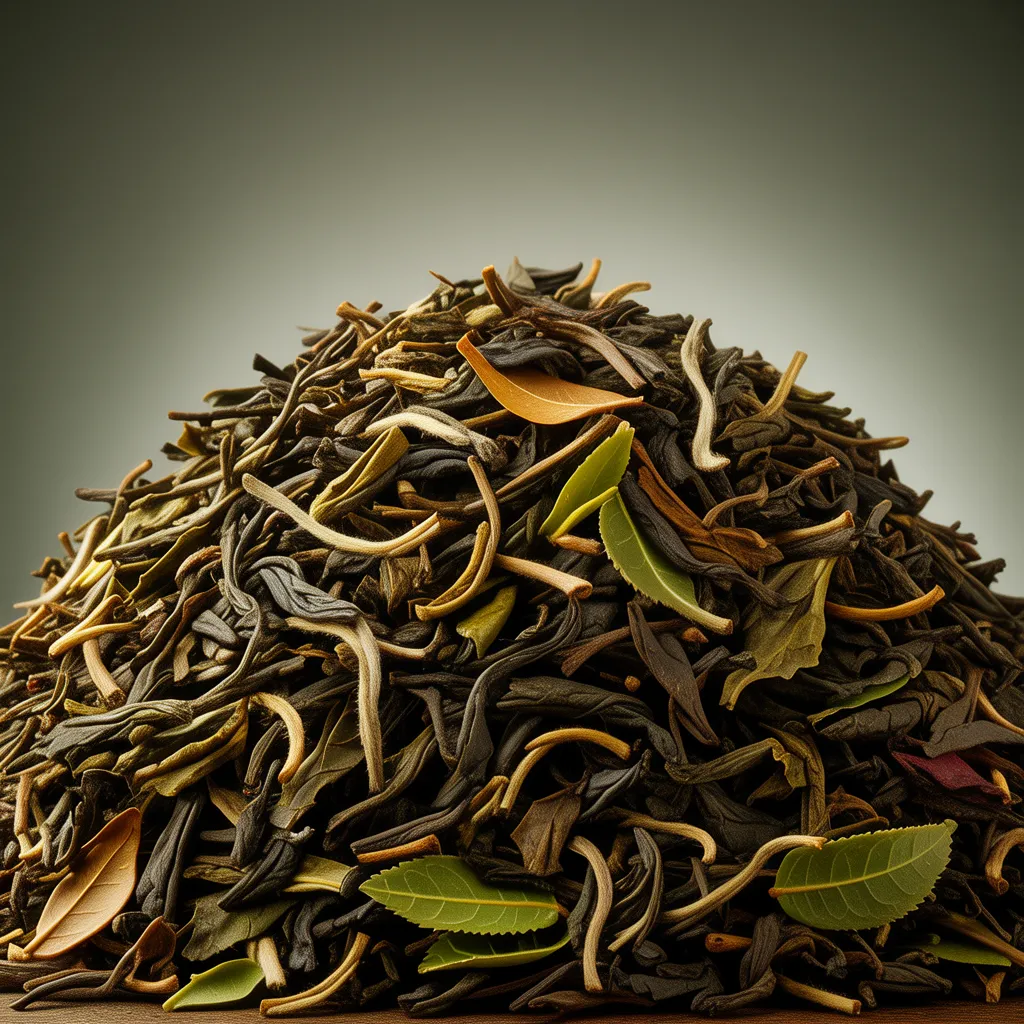
Find Out the Foundations of Fair Trade Tea
Fair Trade tea derives from the social and economic movements focused on advancing the livelihoods of sidelined farmers. Arising in the late 20th century, this initiative worked to tackle unfairness in global trade, especially in transitional economies where tea is regularly grown. The movement built momentum as consumers became more and more cognizant of the harsh conditions borne by small-scale farmers, including unfair pricing and mistreatment by large corporations.
By utilizing cooperative structures, Fair Trade sought to empower these farmers, guaranteeing they obtained fair payment and support for environmentally responsible agriculture. The movement also focused on advancing environmental responsibility, promoting organic farming and biodiversity. As knowledge increased, Fair Trade tea became a symbol of ethical consumption, linking consumers directly with the origins of their beverages. By choosing Fair Trade tea, individuals add to a larger goal of social justice and economic equity, fostering a more sustainable future for tea-growing communities.
Comprehend ethical commerce for green practices
Understanding Fair Trade certification is vital to identifying how sustainable practices are maintained within the tea industry. This certification assures that producers receive fair wages and work under safe conditions, which directly supports community development. Fair Trade standards advance environmentally sustainable farming methods, reducing the use of harmful chemicals and encouraging biodiversity.
Certification fosters transparency in the distribution network, allowing consumers to trace their tea back to its source. By following these guidelines, farms undertake practices that safeguard natural resources and support local environments. Additionally, Fair Trade organizations often deliver educational resources and instruction to agricultural producers, equipping them to improve their production methods and financial security.
In the end, Fair Trade certification enhances the caliber of tea while also aligning buyer preferences with ethical and green principles, rendering it a vital component of the tea sector's commitment to social accountability and ecological stewardship.
Browse Top Varieties of Fair Trade Tea
While many tea connoisseurs treasure the intense notes and scents of assorted teas, uncovering the top kinds of Fair Trade tea reveals a more substantial commitment to ethical sourcing and sustainability. Some popular options showcase Fair Trade Assam, celebrated for its bold, malty taste, and Fair Trade Darjeeling, often termed the "Champagne of teas" for its delicate floral notes. Another prominent variety is Fair Trade Earl Grey, steeped with bergamot, supplying a distinctive lemon quality.
Furthermore, Fair Trade Green Tea, renowned for its invigorating qualities and health benefits, is increasingly favored among health-conscious consumers. Herbal blends, such as Fair Trade Chamomile and Peppermint, also excel, providing soothing and calming effects. Each of these varieties not only provides exceptional flavor but also helps farmers and communities working for better livelihoods, making them a responsible choice for tea lovers seeking quality and ethical assurance.
Brewing Fair Trade Tea: Recommendations for a Exceptional Cup
To prepare the ideal cup of Fair Trade tea, precision is essential, since the correct techniques can improve the tea's unique flavors and smells. Initially, the quality of water is paramount; using clean water provides a fresh flavor that allows the tea's features to be highlighted. The water temperature is also vital; tea types demand particular heat levels; black tea is brewed with boiling water and green or herbal teas are brewed cooler.
Then, the infusion time should be strictly observed. Prolonged steeping can produce a bitter flavor, while brief steeping may not unlock the entire flavor range. A typical suggestion is 3-5 minutes for black tea and 2-3 minutes for green tea.
Ultimately, applying the right balance of tea to water boosts the flavor; one teaspoon of loose tea per cup is a good beginning. By following these recommendations, tea enthusiasts can fully appreciate the rich offerings of Fair Trade tea.
Ecological Perks of Fair Trade Tea
Brewing Fair Trade tea not only improves the tea experience but also supports eco-friendly farming methods that benefit the environment. Fair Trade certification motivates farmers to use organic farming methods, which minimize the dependence on damaging chemicals and synthetic inputs. This method promotes species diversity, aiding in the protection of local ecosystems and protect check this resource wildlife habitats.
Additionally, Fair Trade methods often highlight soil health and water preservation, ensuring that tea cultivation does not deplete essential resources. By assisting small-scale farmers, Fair Trade also encourages agroforestry, which combines tea cultivation with other crops and trees, further bolstering environmental resilience.
In addition, Fair Trade tea frequently includes environmentally responsible packaging and delivery systems, lowering the carbon footprint tied to its delivery. All in all, choosing Fair Trade tea shows a deliberate commitment to advance a more sustainable agricultural system that respects both the Earth and its inhabitants.

Your Tea Selection Supports Uplift Global Populations
Selecting Fair Trade tea empowers worldwide societies by providing farmers with fair wages and improved labor standards. This commitment guarantees that tea producers can sustain their livelihoods while putting money in their loved ones and local economies. By buying Fair Trade tea, shoppers add to the development of essential community services, such as education and medical services.
Fair Trade certification encourages responsible conduct, requiring companies to adhere to guidelines that prioritize employee protections and ecological responsibility. As a result, growers are incentivized to grow premium tea, which not only improves their income but also creates pride in their craft.
In addition, the face-to-face trade relationships established through Fair Trade bypass abusive middlemen, helping farmers to reach with end-users worldwide. This openness cultivates trust and encourages a global appreciation for the cultural value of tea. Ultimately, each cup of Fair Trade tea functions as a emblem of the positive impact individuals can have on planetary communities through mindful consumption.
Popular Inquiries Received
How Can I Identify Fair Trade Tea Items in Stores?
To spot fair trade tea products in stores, one should check for official certifications, such as Fair Trade Certified or Rainforest Alliance. Additionally, examining companies focused on sustainable practices can assist in making informed choices.
Can You Discover Any Wellness Perks Related to Fair Trade Tea?
Fair trade tea may offer multiple wellness advantages, such as antioxidants supporting cardiovascular wellness, improved digestion, and increased mental sharpness. Furthermore, responsible sourcing methods promote sustainable agriculture, indirectly contributing to a more sustainable ecosystem and improved community welfare.
Where Can I Locate Ethically Sourced Tea in Digital Shopping Platforms?
Yes, fair trade tea is widely available in online marketplaces. Multiple vendors offer a diverse range of product options, ensuring consumers can easily access ethically sourced options that advance both eco-friendly practices and equitable compensation.
What Impact Does Fair Trade Tea Have on Regional Economies?
Fair trade tea positively impacts local economies by providing farmers with fair wages, promoting community advancement, and encouraging sustainable farming practices. This support uplifts living conditions, fosters economic security, and strengthens communities to invest in education and healthcare.
How Can I Store Fair Trade Tea to Achieve Superior Freshness?
To increase freshness, fair trade tea should be stored in an airtight container, shielded from light, moisture, and pungent smells. Keeping it in a dark, cool location helps maintain its flavor and aroma over time.