Discover the Ultimate Probiotic Yogurt Maker: Your Handbook to Artisan Probiotic Yogurt
Preparing probiotic yogurt at home offers significant health advantages, from enhanced digestion to better nutrient absorption. A quality yogurt maker can streamline the procedure, allowing anyone who wants to enhance their diet to get started. Critical features such as precise temperature settings and easy maintenance can substantially affect the final product. Understanding these elements is essential. What is required to produce the ideal yogurt batch? Success begins with identifying the right qualities in a yogurt maker.
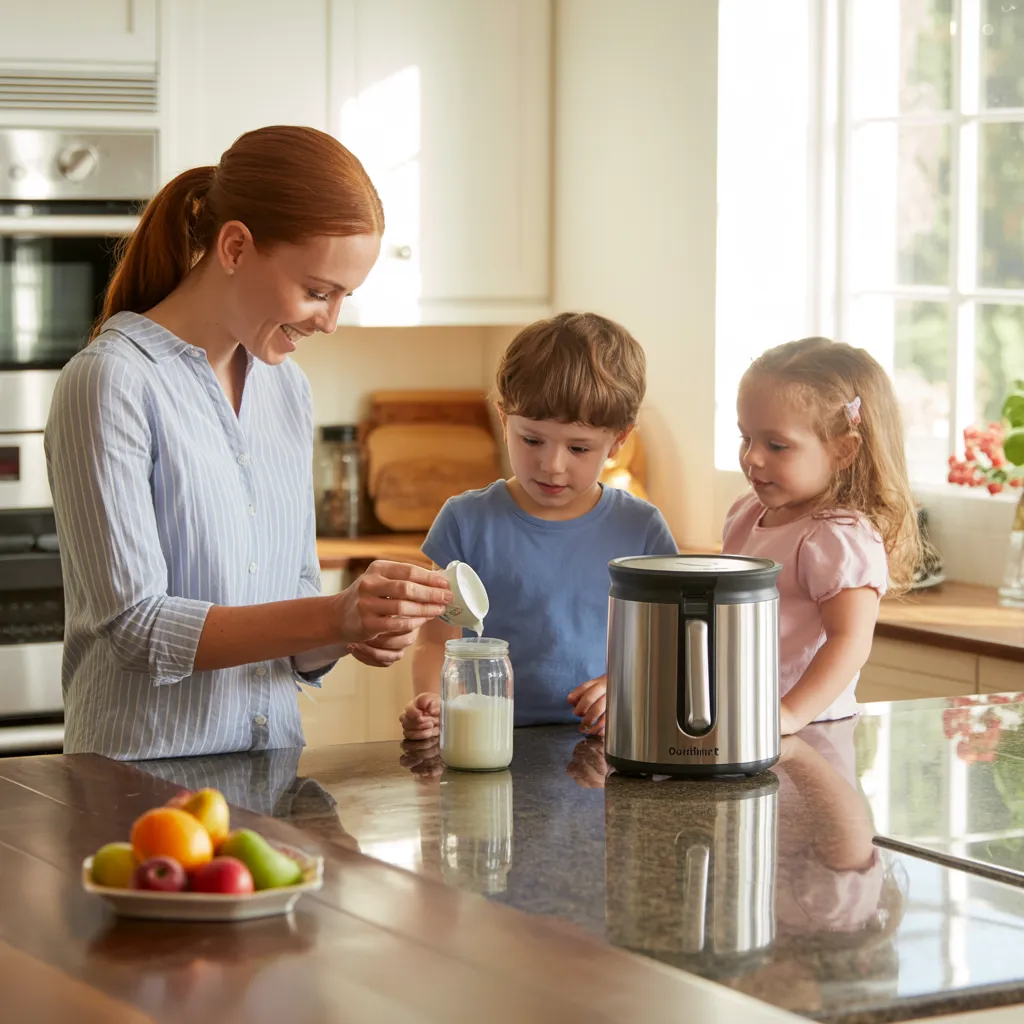
The Wellness Advantages of Homemade Probiotic Yogurt
While many people seek ways to improve their gut health, homemade probiotic yogurt offers a practical and nutritious solution. This fermented dairy food is packed with beneficial bacteria, referred to as probiotics, which maintain a balanced gut microbiome. Consuming homemade yogurt regularly can improve digestion, decrease bloating, and ease symptoms of lactose intolerance.
Moreover, the fermentation process improves the bioavailability of nutrients, allowing vitamins and minerals more readily available to the body. Homemade yogurt is also a valuable source of protein and healthy fats, enhancing overall nutritional intake.
In addition, it can be customized with numerous fruits, nuts, or sweeteners, enabling individuals to adapt flavors to their personal choices. The ability to control ingredients ensures a superior alternative to store-bought options, frequently laden with additives and preservatives. In summary, homemade probiotic yogurt represents a worthwhile addition to a balanced diet, encouraging general health and wellness.
Essential Features to Search for in a Yogurt Maker
When selecting a yogurt maker, key features play a crucial role in its overall performance. Primary considerations include temperature control options, which deliver optimal fermentation conditions, and also the capacity and size to accommodate individual needs. Also, ease of cleaning is a significant factor, as it supports the overall convenience of the yogurt-making process.
Choices for Temperature Management
How important is temperature control in the yogurt-making process? Temperature monitoring is vital for successfully fermenting milk into yogurt. The optimal fermentation range typically lies between 110°F to 115°F (43°C to 46°C), as this environment fosters the growth of beneficial bacteria. Yogurt makers that offer exact temperature control allow users to maintain this recommended range consistently. Some models feature adjustable thermostats, while others come with built-in digital displays for real-time monitoring. This confirms that the yogurt culture thrives without overheating or cooling too much, which could compromise the final product. Thus, a yogurt maker with reliable temperature control options is a critical feature for anyone serious about producing high-quality homemade probiotic yogurt.
Storage Capacity and Dimensions
Efficient temperature control is just one aspect to consider when picking a yogurt maker. Another crucial factor is the capacity and size of the device. Yogurt makers can be found in various sizes, typically ranging from small units that make a quart to larger models capable of creating multiple quarts at once. Those who consume yogurt regularly or wish to make larger batches for family or gatherings should opt for a model with a higher capacity. Alternatively, those with limited space or occasional use may prefer a compact design. Understanding personal consumption habits and kitchen space will ensure the chosen yogurt maker matches one's needs, making the yogurt-making experience more pleasant and efficient.
Cleaning Convenience
The ease of cleaning a yogurt maker significantly affects its maintenance and usability. A device that is simple to take apart and wash will encourage regular use and guarantee the yogurt-making process remains pleasant. Yogurt makers with separable containers or vessels are particularly useful, as they allow for convenient washing, either by hand or in a dishwasher. Moreover, materials that prevent odors and staining, such as stainless steel or BPA-free plastic, can streamline the cleaning process. Users should also seek out models with less complicated parts and crevices, as these can accumulate buildup and be challenging to wash. Ultimately, a yogurt maker built for easy and fast cleaning will elevate the overall experience of making probiotic yogurt at home.
Simple Step-by-Step Process for Making Probiotic Yogurt at Home
Creating probiotic yogurt at home can be a fulfilling and uncomplicated process that requires only a few essential items and tools. To start, one must gather a yogurt maker, a cooking thermometer, and milk. First, heat the milk to around 180°F, then let it to cool to about 110°F. Once cooled, add a tablespoon of store-bought yogurt containing live cultures into the milk, stirring gently. Pour the mixture into the yogurt maker, ensuring it is properly sealed. Set the yogurt maker to incubate for 6 to 12 hours, depending on the desired texture and tanginess. After the incubation period, check the yogurt for consistency and taste. If satisfied, transfer it to containers and refrigerate. The homemade probiotic yogurt will be ready for consumption, enriching meals and snacks with its health benefits. Enjoying yogurt made at home delivers a personal touch to this nutritious treat.
Picking the Best Ingredients for Your Homemade Yogurt
Picking the right ingredients is essential for successful yogurt making. This requires picking appropriate yogurt cultures, milk types, and potential flavoring options to enhance the Probiotic Yogurt Maker final product. Each decision affects the taste, texture, and health benefits of the yogurt.
Selecting Yogurt Cultures
When picking yogurt cultures, it is crucial to examine the particular strains that will best meet individual preferences and desired health benefits. Specific strains, such as Lactobacillus bulgaricus and Streptococcus thermophilus, are traditional for yogurt-making, delivering a time-tested flavor and texture. For those desiring enhanced digestive health, cultures like Lactobacillus acidophilus or Bifidobacterium bifidum may be preferable. In addition, particular strains such as Lactobacillus plantarum can provide probiotic advantages. Individuals should also consider whether they prefer a tangy or mild yogurt, as distinct cultures can determine flavor profiles. At the end of the day, the picking of yogurt cultures should correspond to both personal preferences and particular health goals to create a fulfilling homemade probiotic yogurt experience.
Selecting Milk Types
Choosing the appropriate milk variety is critical for making high-quality yogurt, as it significantly affects both texture and flavor. Numerous milk alternatives can be found, including whole, skim, and plant-based alternatives. Whole milk creates a thicker and more indulgent yogurt, while skim milk produces a lighter, less fatty version. For those seeking non-dairy options, almond, coconut, and soy milk can be used, though they may require additional thickeners to reach a similar consistency. Each milk type presents unique nutritional profiles, influencing the final product's probiotic content and overall health benefits. When selecting milk, individuals should examine their dietary needs and preferences, ensuring the chosen type aligns with their yogurt-making goals for optimal results.
Adding Flavor to Your Yogurt
After identifying the milk type, the next step is flavoring the yogurt, which can considerably elevate the general flavor profile. Different components can be used to individualize the yogurt, such as fruits, honey, vanilla extract, and spices. Fresh fruit options like berries or bananas supply natural sweetness and vibrant flavor, while honey provides a healthier alternative to processed sugars. Vanilla extract adds a rich aroma, and spices such as cinnamon or nutmeg can contribute warmth and depth. For a unique twist, consider incorporating nuts or seeds for texture. It is essential to add flavorings after the fermentation process to maintain the probiotics' effectiveness and preserve the yogurt's creamy texture. Careful selection of ingredients will produce a delicious, personalized yogurt experience.
Guidelines for Obtaining the Perfect Yogurt Consistency
Reaching the perfect yogurt consistency demands careful attention to several key factors. First, the choice of milk plays a substantial role; whole milk generally yields creamier yogurt, while low-fat alternatives can lead to a thinner texture. Additionally, the temperature during fermentation is critical; sustaining a consistent temperature between 110°F to 115°F promotes optimal bacterial activity.
Fermentation duration also affects thickness; an extended fermentation time may result in a firmer consistency, though careful observation is necessary to avoid excessively tart yogurt. Using a yogurt starter with live cultures is another important aspect, as different strains can affect the final consistency. In conclusion, if a thicker yogurt is wanted, draining the final product through cheesecloth or a fine mesh sieve can extract extra whey, yielding a creamier texture. By managing these elements, one can achieve the desired yogurt consistency with ease.
Enhancing and Personalizing Your Homestyle Yogurt
Personalizing homemade yogurt reveals a world of flavors and potential, elevating the enjoyment of this nutritious food. Yogurt enthusiasts can experiment with a variety of ingredients to suit their palates. Fresh fruits, such as strawberries, blueberries, or mangoes, can be blended or mixed in for natural sweetness and vibrant color. Furthermore, spices like cinnamon or vanilla extract can enrich the flavor profile, providing warmth and depth.
For those seeking a citrus kick, lemon juice or citrus zest may be incorporated. Sweetening options like agave nectar, honey, or maple syrup, allow for customized sweetness preferences. Granola, nut butters, or seeds offer additional nutrition and texture.
Addressing Standard Yogurt-Making Difficulties
Although creating yogurt can be a fulfilling activity, it's not uncommon for home cooks to face difficulties along the way. One frequent problem is yogurt that won't thicken appropriately, often due to inadequate fermentation duration or incorrect temperatures. Making sure the milk reaches the proper heat level before adding starter culture is vital for successful fermentation.
Another common issue is separation, where whey appears on the surface. This can be resolved by gently stirring the yogurt or adjusting the strain of starter applied.
The use of ultra-pasteurized milk, which may not yield the desired results. Opting for whole or low-fat milk can enhance creaminess.
Last but not least, if the yogurt tastes overly tangy, it could have been fermented for too long. Watching fermentation time and testing the taste can help achieve the perfect balance. With these troubleshooting guidelines, home cooks can enhance their yogurt-making skills effectively.
Your Questions Answered
How Long Can Homemade Yogurt Be Stored in the Fridge?
Homemade yogurt generally stays fresh in the refrigerator for approximately one to three weeks. Its longevity is determined by storage conditions and the existence of preservatives, with appropriate sealing contributing to maintaining freshness and flavor.
Is It Possible to Use Non-Dairy Milk for Making Yogurt?
Yes, non-dairy milk can be used for yogurt making. Options such as almond, coconut, or soy milk are suitable, although changes in cultures and thickening agents might be needed to obtain your desired consistency and flavor.
What Is the Best Temperature for Yogurt Fermentation?
The recommended temperature for yogurt fermentation usually ranges from 110°F to 115°F (43°C to 46°C). Sustaining this uniform temperature ensures ideal bacterial activity, producing a creamy texture and tangy flavor for the yogurt.
How Frequently Should I Clean My Yogurt Maker?
A yogurt maker should be cleaned after each use to stop bacterial contamination and ensure ideal performance. Consistent cleaning maintains hygiene, increases the device's lifespan, and guarantees the quality of upcoming yogurt batches.
May I Reuse Yogurt Cultures From Prior Batches?
Yes, yogurt cultures from previous batches can be reused. Though, their effectiveness tends to reduce over time, affecting the yogurt's flavor and texture. For optimal results, it's recommended to regularly refresh cultures using fresh starter yogurt.