Upgrade Your Kitchen With the Top Yogurt Making Machine for Superior Health Yogurt
With the appropriate yogurt maker, the kitchen becomes a wellness center. Making yogurt at home provides many advantages, such as ingredient oversight and flavor customization options. Selecting the perfect yogurt-making device requires knowledge of essential characteristics and market choices. Following an easy yogurt-making tutorial can improve cooking abilities. Finding creative methods to add yogurt to everyday dishes can enhance this journey. What potential exists for the future?
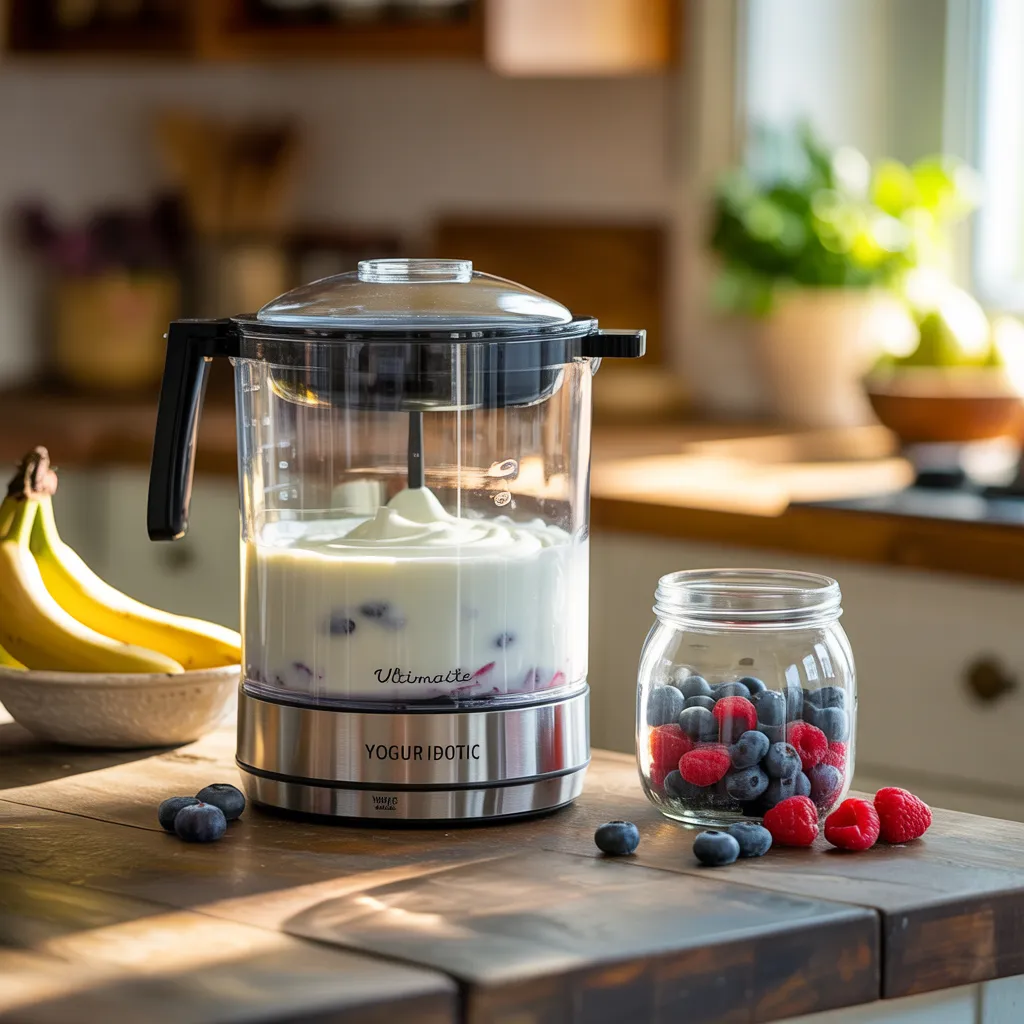
Benefits of Homemade Fresh Yogurt
Even though lots of people love store-bought yogurt, homemade yogurt offers distinct perks that draw in health-conscious individuals. One important benefit is the control over ingredients, permitting one to steer clear of preservatives, artificial flavors, and added sugars typically found in commercial products. This customization empowers individuals to customize flavors and textures to their preferences, enhancing the total experience of yogurt.
Moreover, home-made yogurt is typically richer in probiotics, which can assist digestion and strengthen the immune system. The fermentation process can be closely monitored, ensuring perfect bacterial growth for peak health benefits. In addition, making yogurt at home can be more budget-friendly, as buying milk in bulk is often more affordable than purchasing pre-packaged yogurt.
Finally, the process of preparing yogurt can be a fulfilling culinary experience, promoting a greater appreciation for food and its preparation. Overall, homemade yogurt not only promotes health but also encourages creativity in the kitchen.
Critical Features to Look for in a Yogurt Maker
While selecting a yogurt maker, various key features can substantially enhance the yogurt-making experience. Temperature control is essential, as it allows for precise regulation, delivering ideal fermentation. Models with adjustable settings give flexibility for diverse yogurt types. Additionally, a timer function can simplify the process by informing users when their yogurt is ready.
Capacity is another essential feature; picking a model that matches individual or family demands can reduce time and energy expenditure. Ease of operation is also significant; user-friendly controls and simple setup can render yogurt preparation approachable for novices.
Lastly, think about the machine's materials and design. A robust, easy-to-clean construction, such as BPA-free components, guarantees durability and safety. By prioritizing these elements, people can pick a yogurt maker that aligns with their needs, leading to satisfying and pleasant yogurt-making experiences.
Top Yogurt Making Machines Currently Available
The yogurt-making market offers a variety of machines created to meet different needs and preferences. Among the top contenders is the Instant Pot Duo, which integrates multiple cooking functions and features a yogurt-making setting, making it a versatile addition to any Buy Yogurt Maker Online kitchen. Another popular option is the Euro Cuisine YM80, famous for its traditional glass jars and precise temperature control, guaranteeing consistent results. The Cuisinart CYM-100 excels with its sleek design and built-in cooling system, enabling unattended fermentation. For those seeking a compact solution, the Dash Greek Yogurt Maker is ideal, providing an easy-to-use interface and quick preparation time. Finally, the Yogourmet Multi-Model is celebrated for its ability to create large batches and accommodate various yogurt styles. Each of these machines offers distinct advantages, serving both novice and experienced yogurt makers, consequently improving home yogurt-making experiences.
Step-by-Step Guide to Making Yogurt
Creating yogurt at home can be a rewarding process, permitting individuals to personalize flavors and textures to their liking. To begin, one must collect the essential ingredients: milk and a yogurt starter that contains live cultures. First, heat the milk in a pot until it reaches approximately 180°F to eliminate any harmful bacteria. After cooling the milk to around 110°F, add the yogurt starter and stir softly to incorporate. Next, transfer the mixture to a yogurt-making machine or a warm, insulated container to maintain the optimal temperature for fermentation. Allow it stand undisturbed for 6 to 12 hours, depending on the wanted thickness and tanginess. Once the yogurt reaches the preferred consistency, refrigerate it for a few hours to end the fermentation process. Finally, the homemade yogurt is ready to be consumed plain or with various mix-ins, highlighting the individual's unique taste preferences.
Creative Methods to Utilize Your Homemade Yogurt
Homemade yogurt provides limitless opportunities for culinary innovation. This multipurpose ingredient can be crafted into various dishes, elevating both taste and nutrition. As an illustration, it functions as a perfect foundation for smoothies, contributing creaminess and probiotic cultures. Blending fruits and honey with yogurt produces a delicious parfait, great for breakfast or a quick snack.
In addition, yogurt can be incorporated in savory dishes; it performs perfectly as a marinade for meats, making tender them while adding a tangy flavor. Integrating it into salad dressings gives a creamy texture without excessive calories.
Home bakers can substitute sour cream or buttermilk for yogurt in baking recipes, creating moist cakes and muffins. Additionally, yogurt can be converted into popsicles by mixing it with fruit and freezing, delivering a revitalizing treat. These inventive uses not only elevate meals but also promote healthier eating habits.
Your Questions Answered
Can I Prepare Dairy-Free Yogurt Using a Yogurt Maker?
Absolutely, a yogurt maker can be employed to make dairy-free yogurt. By employing plant-based milk and appropriate cultures, people can successfully make a array of dairy-free yogurt options suited to their dietary requirements.
How Long Can Homemade Yogurt Be Stored in the Fridge?
Homemade yogurt can last approximately one to three weeks in the refrigerator when kept in an airtight container. Its quality can deteriorate over time, but it can remain safe for eating if kept properly.
Is Store-Bought Yogurt Suitable as a Starter Culture?
Store-bought yogurt can indeed be used as a starter culture for homemade yogurt. It needs to contain live bacterial cultures to provide successful fermentation. Nevertheless, results might differ according to the yogurt's freshness and quality.
Which Milk Varieties Work Best for Making Yogurt?
A range of types of milk can be utilized for yogurt making, including whole, reduced-fat, fat-free, and plant-based choices such as almond, soy, or coconut milk. Every variety influences the yogurt's taste and consistency in different ways.
Is Crafting Yogurt Suitable for Those New to It?
Making yogurt is certainly ideal for those new to cooking. With simple ingredients and straightforward guidelines, anyone can successfully create homemade yogurt. The process encourages learning and experimentation, making it an enjoyable and rewarding culinary venture for novices.