The True Contrast Between Homemade and Store-Bought Yogurt
The contrast between homemade and store-bought yogurt goes beyond mere taste. It includes nutritional advantages, ingredient transparency, and cost factors. Homemade yogurt frequently offers superior probiotic levels and fewer additives. In contrast, many store-bought options may contain hidden sugars and preservatives. This brings up questions about health implications and personalization. As consumers consider these elements, the choice becomes more complex. What truly makes one option superior over the other?
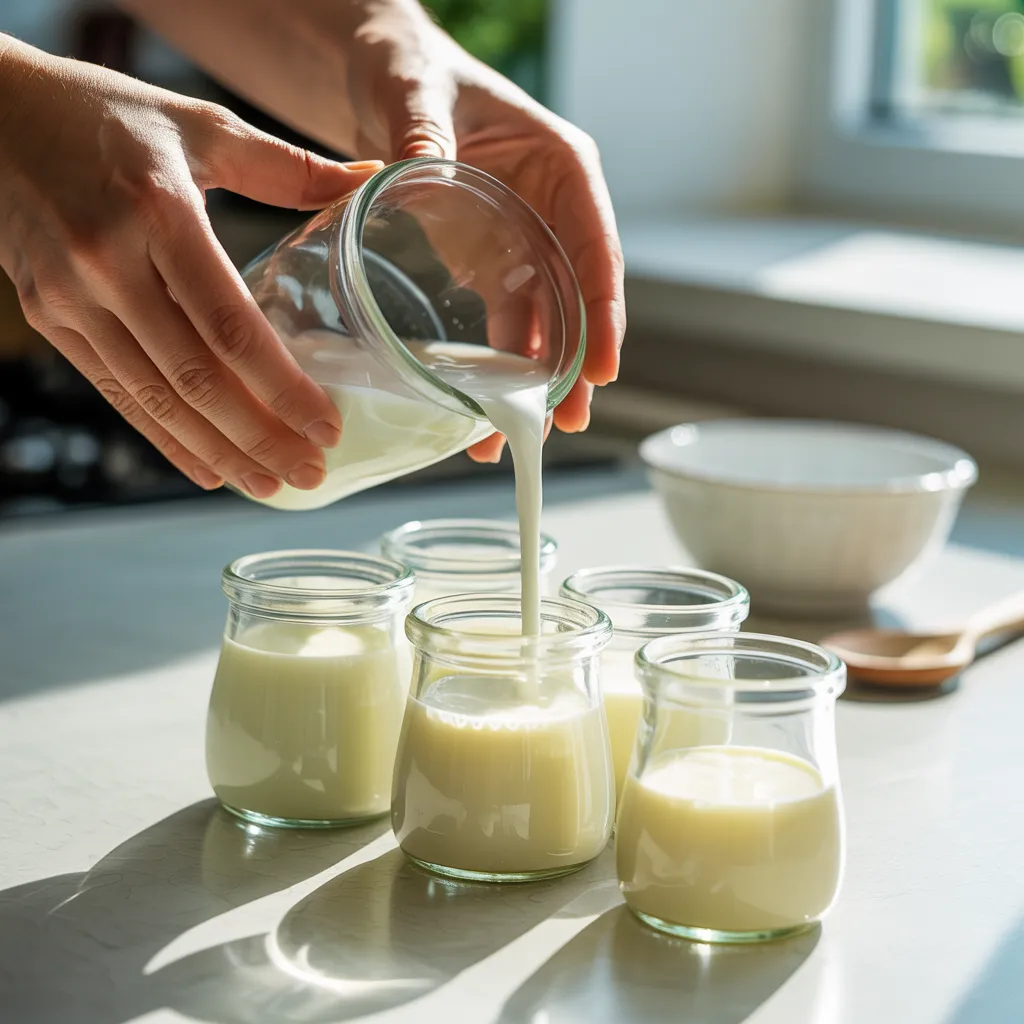
Nutritional Benefits: Homemade versus Store-Bought Yogurt
When examining the nutritional advantages of homemade and store-bought yogurt, one might wonder which option truly offers more value. Homemade yogurt typically contains higher probiotic content, as it is often prepared with live cultures that can flourish without the preservatives found in many commercial products. This fermentation process can boost gut health and digestion.
By comparison, store-bought yogurt frequently contains added sugars, flavors, and stabilizers, which can diminish its nutritional value. Nevertheless, it may offer convenience and consistency, catering to those with active lives.
Furthermore, homemade yogurt allows for control over ingredients, permitting individuals to adjust flavors and textures to their liking. Both options provide essential nutrients including protein, calcium, and vitamins. Finally, the choice between homemade and store-bought yogurt relies on personal preferences and dietary goals, with each featuring unique nutritional profiles and benefits.
Ingredient Clarity: Navigating Labels and Additives
What enables consumers to make informed yogurt choices without understanding labels and additives? Ingredient openness fulfills a critical role in steering decisions. Shop-purchased yogurt typically contains various additives, like thickeners, sweeteners, and preservatives, which can substantially change its nutritional composition. For example, some yogurts might contain artificial flavors or colors, which certain buyers choose to avoid for wellness purposes.
Cost Comparison: Home-Made versus Store-Purchased Yogurt Expenses
Comparing the costs of homemade versus store-bought yogurt encompasses multiple important factors, such as ingredient expenses and possible equipment purchases. Examining these costs may uncover substantial variations in monetary investment. In addition, a comprehensive savings study may reveal the economic benefits of creating yogurt at home.
Component Cost Breakdown
Price comparison highlights significant differences between homemade and store-bought yogurt. Homemade yogurt typically requires only two primary ingredients: milk and a yogurt starter culture. The cost of milk varies depending on type and region, but it generally represents the bulk of the expense. A starter culture is a relatively minor cost, especially when considering that a small amount can be reused for subsequent batches. In contrast, store-bought yogurt often includes additional ingredients such as sweeteners, flavorings, and stabilizers, which can elevate its price. While convenience drives store-bought yogurt prices, homemade versions can be more budget-friendly, particularly for those who consume yogurt regularly. Ultimately, the choice between homemade and store-bought depends on personal preferences regarding cost and ingredient quality.
Equipment Investment Considerations
Investing in equipment is a major consideration when comparing homemade and store-bought yogurt. For homemade yogurt, initial costs can include yogurt makers, thermometers, and containers, which may total between $30 to $150 depending on the selected equipment grade and brand. This initial expenditure can be overwhelming for some, but it may yield numerous batches of yogurt over time. On the other hand, store-bought yogurt requires no equipment investment, as consumers pay solely for the product. However, prices can add up significantly over time, especially with frequent buying of premium brands. Finally, the choice between homemade and store-bought yogurt can hinge on these equipment costs, as well as personal preferences regarding ease and availability of resources for yogurt-making.
Long-Term Savings Analysis
Although several consumers may consider the upfront costs of homemade yogurt daunting, a extended savings analysis shows substantial differences when compared to the continuous expenses of store-bought options. Store-bought yogurt typically displays elevated price tags, especially for organic or specialty varieties, which can accumulate rapidly over time. In contrast, the initial investment in yogurt-making equipment can be offset by lower ingredient costs, as bulk purchases of milk and starter cultures are often more economical. Over a year, a family that regularly consumes yogurt could discover that homemade choices can save them considerable amounts, often ranging from hundreds to even thousands of dollars. Therefore, the financial perks of homemade yogurt become increasingly clear with regular consumption.
Is Homemade Yogurt Easy to Make?
Creating yogurt at home is frequently considered easy due to the basic ingredients needed, such as milk and a yogurt starter. Moreover, the basic equipment necessary typically includes a container for fermentation and a means to maintain a warm temperature. These factors contribute to the view that homemade yogurt is an accessible choice for many.
Simple Ingredients Needed
Making yogurt at home can be surprisingly easy, as it requires only a few basic ingredients. The key components include milk and a yogurt starter culture. Milk can be regular, low-fat, or even non-dairy alternatives, depending on personal preference. The yogurt starter, which contains live active cultures, can be shop-bought yogurt or a specific yogurt culture packet. These ingredients work together to ferment and create yogurt through a natural process. Optional flavorings, such as honey, fruit, or vanilla, can enhance the taste but are not necessary for the basic recipe. This simplicity in ingredient selection is one reason many people find homemade yogurt appealing, allowing for customization while ensuring a wholesome and delicious end product.
Required Equipment Essentials
Proper yogurt-making at home hinges on having the right equipment. Essential tools include a heavy-bottomed pot for heating milk, a thermometer to track temperature, and a whisk for mixing. Additionally, a yogurt starter culture, either from a store-bought yogurt or a particular starter, is essential to introduce beneficial bacteria. To keep a consistent warm temperature for fermentation, a yogurt maker or an insulated container can be used. Some prefer using a simple blanket or towel to keep the container warm. Lastly, jars or containers for storing the finished yogurt are needed. With these basic pieces of equipment, anyone can begin their journey into homemade yogurt, providing an easy yet rewarding culinary experience.
Flavor Profile and Texture: What's the Difference?
In what ways do homemade and commercial yogurts differ regarding flavor and texture? Homemade varieties typically feature a creamier, fresher taste, stemming from the use of high-quality ingredients and the omission of preservatives. The fermentation process can also create a more noticeable tanginess, which many enthusiasts enjoy. In contrast, store-bought options often contain added flavors and sweeteners, leading to a taste that may appeal to a broader audience but doesn't have the authenticity of homemade varieties.
Texture represents another key differentiator. Homemade yogurt usually possesses a smoother, creamier texture thanks to the oversight of fermentation conditions and temperature. This provides a sumptuous consistency that is regularly reduced in store-bought varieties, which may be runnier or gummy owing to stabilizers. In the end, the taste and texture of homemade yogurt provide a one-of-a-kind experience that numerous people consider preferable to store-bought alternatives.
What Type of Yogurt Is Healthier: Homemade vs. Store-Bought?
Which choice delivers superior health benefits: homemade or shop-bought yogurt? Homemade yogurt frequently stands out as the more healthful option because of its few ingredients and no preservatives. Typically, it contains only milk and live cultures, delivering a plentiful source of probiotics that benefit gut health. Additionally, individuals can manage the fermentation process, influencing the probiotic content and flavor.
In contrast, commercially produced yogurt often contains added sugars, artificial flavors, and stabilizers, which can decrease its nutritional value. While some brands present high-protein or low-fat options, these may still incorporate additives that detract from overall health benefits.
Ultimately, the healthiness of yogurt depends on individual dietary requirements and preferences. Home-prepared yogurt allows for customization and can be tailored to specific health targets, while certain store-bought varieties can also be nutritious if chosen wisely. Meticulous ingredient scrutiny is vital for both options to maximize health outcomes.
Popular Questions
What Is the Average Refrigerator Storage Time for Homemade Yogurt?
Homemade yogurt usually stays good for one to three weeks in the refrigerator when stored properly in an airtight container. Its quality may change based on aspects like ingredients and storage conditions, influencing overall quality and safety.
Can I Use Non-Dairy Milk to Prepare Yogurt at Home?
Indeed, plant-based milk may be utilized to create yogurt at home. Various options, like almond, coconut, or soy milk, require specific cultures and occasionally thickeners to attain the ideal consistency and taste.
Which Equipment Is Necessary for Homemade Yogurt?
To prepare yogurt at home, you'll need a suitable container for fermentation, a thermometer to monitor temperature, a whisk for mixing, and optionally, a yogurt maker or an incubator to sustain consistent warmth during the process.
Are There Distinct Cultures for Various Yogurt Types?
Yes, specific cultures exist for various yogurt types. To illustrate, Lactobacillus bulgaricus and Streptococcus thermophilus are employed for traditional yogurt, while alternative cultures can produce Greek, Icelandic, or non-dairy yogurt varieties, each providing distinctive flavors and textures.
Is It Possible to Flavor Homemade Yogurt Without Additives?
Homemade yogurt can indeed be flavored naturally without any additives. Popular choices include fresh fruits, honey, vanilla extract, or various spices. These ingredients enhance taste while maintaining the yogurt's health benefits, enabling customized context information flavor combinations.